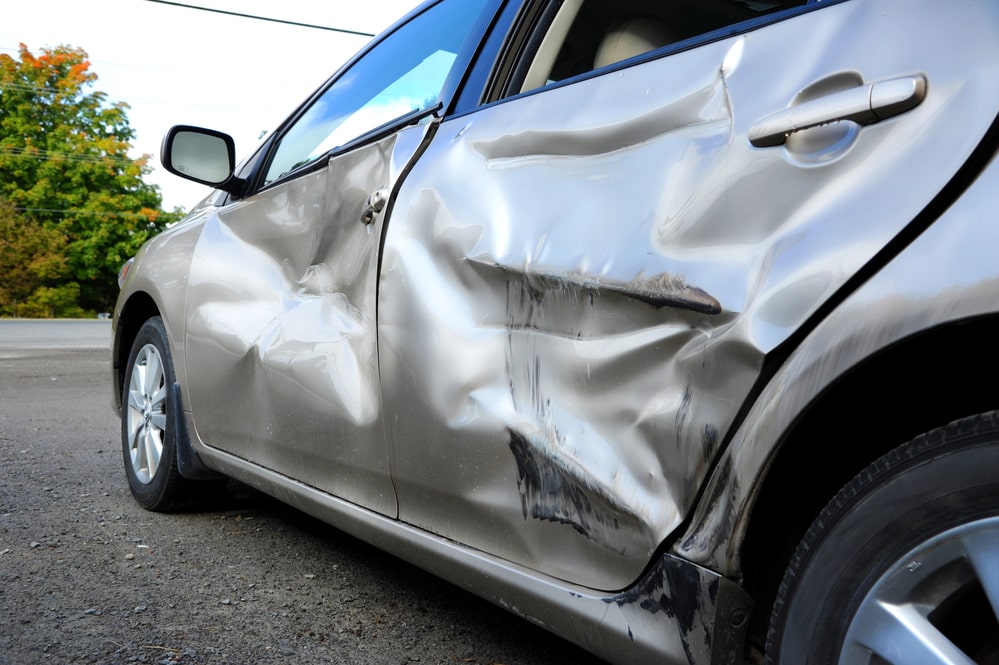
Getting hit by a driver who then flees the scene puts an injured person in a situation that feels fundamentally unfair. Someone else caused the crash. Someone else drove away. And now the injured person is supposed to figure out how to pay for their medical treatment, replace their income while they can’t work, and recover compensation for what happened to them through no fault of their own.
In Georgia, uninsured motorist coverage is the primary legal mechanism for addressing exactly this situation. Understanding how it works, what requirements apply in hit and run cases specifically, and what mistakes to avoid protects the rights of Duluth area accident victims from the moment the crash occurs.
What Uninsured Motorist Coverage Is and How Georgia Requires It
Georgia law under O.C.G.A. § 33-7-11 requires automobile insurance companies to offer uninsured motorist coverage to every policyholder. Insurers must offer UM coverage at limits equal to the liability limits in the policy. Policyholders can reject UM coverage or select lower limits, but only through a signed written rejection that meets specific statutory requirements.
UM coverage protects the policyholder when they’re injured by a driver who either has no liability insurance or, in the hit-and-run context, cannot be identified at all. In a hit-and-run case where the at-fault driver is never found, the injured person’s own UM policy becomes the primary source of compensation for medical expenses, lost wages, pain and suffering, and other damages.
Georgia offers two types of UM coverage. Added-on UM coverage stacks on top of any liability coverage available from other sources. Reduced-by UM coverage is offset by other applicable liability coverage. The distinction matters significantly in hit-and-run cases where there may be no other liability coverage at all, making the type of UM coverage in the policy a critical factor in what’s actually available.
The Physical Contact Requirement in Georgia Hit and Run UM Claims
Georgia’s UM statute imposes a specific requirement for hit-and-run cases involving unidentified vehicles. Under O.C.G.A. § 33-7-11(b), when the owner and operator of the at-fault vehicle are unknown, there must have been actual physical contact between the unidentified vehicle and the claimant or the vehicle the claimant was occupying.
This physical contact requirement exists to prevent fraudulent UM claims where no collision actually occurred. In a straightforward rear-end hit and run, contact is obvious and documented. In cases where a driver’s evasive maneuver caused a crash without direct contact, the physical contact requirement becomes a genuine barrier to recovery.
What counts as physical contact can sometimes be broader than the literal collision between two vehicles. When debris from an unidentified vehicle strikes the claimant’s car, or when a hit-and-run driver strikes an object that then strikes the claimant, courts have addressed whether those scenarios satisfy the contact requirement. These fact-specific determinations are where legal analysis makes a meaningful difference for Gwinnett County hit-and-run victims.
A Duluth hit and run accident lawyer evaluates whether the physical contact requirement is satisfied in a specific case and identifies what evidence establishes that contact to the insurer’s satisfaction.
How to File a UM Claim After a Duluth Hit and Run
The UM claims process after a hit and run involves your own insurance company, not the at-fault driver’s insurer. That creates a dynamic many people don’t anticipate. Your own insurer has a financial interest in minimizing what it pays on your UM claim, just as any other insurance company would. The fact that you’ve paid premiums for years doesn’t change that calculus when a significant claim is involved.
Key steps that protect a Georgia UM claim after a hit and run:
- Report the accident to the police immediately. A police report creates an official record of the hit and run and the injuries sustained
- Notify your own insurance company of the accident promptly per the policy’s reporting requirements. Late notice can create coverage disputes
- Seek medical treatment the same day or as soon as possible. A treatment gap gives the insurer an opening to dispute whether the injuries resulted from the crash
- Do not give a recorded statement to your insurer without legal advice. UM claims against your own insurer are adversarial proceedings, and recorded statements can be used to minimize your claim
- Preserve all evidence from the scene, including photographs, witness contact information, and any surveillance or dashcam footage that captured the collision or the fleeing vehicle
What UM Coverage Pays After a Duluth Hit and Run
UM coverage compensates for the same categories of damages that a liability claim against an at-fault driver would address:
- Medical expenses, including emergency treatment, hospitalization, surgery, and rehabilitation
- Lost wages during recovery
- Future medical costs when ongoing treatment is needed
- Pain and suffering and other non-economic damages
- Property damage in some policy structures
The limits of what UM pays depend on the policy. A policyholder with $50,000 in UM coverage and $200,000 in actual damages can only recover up to $50,000 from their UM policy. Understanding what coverage is in place before a crash happens and making intentional decisions about UM limits protects Georgia drivers from discovering an inadequate policy when it matters most.
Burrow & Associates has represented Duluth and Gwinnett County accident victims for nearly three decades, including hit-and-run cases where UM coverage was the only path to fair compensation. If you were injured in a hit-and-run crash in the Duluth area and want to understand how your UM coverage applies and what your claim is worth, reach out to a Duluth hit and run accident lawyer to discuss the specific facts and find out what options are available.